

WASHINGTON, D.C.: The Department of Homeland Security has announced a new approach to its longstanding H-1B work visa lottery, prioritizing skilled, higher-paid foreign workers.
The change follows a series of actions by the Trump administration to reshape a visa program that critics say has become a pipeline for overseas workers willing to work for lower pay, but supporters say drives innovation.
Historically, H-1B visas have been awarded through a lottery system. This year, Amazon was the top recipient, which received more than 10,000 visas, followed by Tata Consultancy Services, Microsoft, Apple, and Google. California has the highest concentration of H-1B workers, many of whom work in the technology companies there.
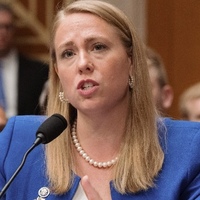
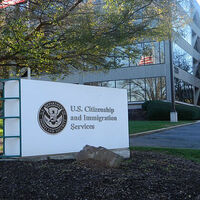
"The existing random selection process of H-1B registrations was exploited and abused by U.S. employers who were primarily seeking to import foreign workers at lower wages than they would pay American workers," said U.S. Citizenship and Immigration Services spokesman Matthew Tragesser.
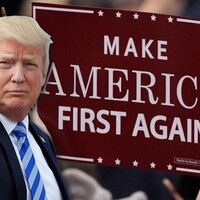
A proclamation signed by President Donald Trump earlier this year imposing a US$100,000 annual fee on H-1B visas for highly skilled workers is being challenged in court. The president also rolled out a $1 million "gold card" visa as a pathway to U.S. citizenship for wealthy individuals.
A press release announcing the new rule says it is "in line with other key changes the administration has made, such as the Presidential Proclamation that requires employers to pay an additional $100,000 per visa as a condition of eligibility."
Each year, the government issues up to 65,000 new H-1B visas, with an additional 20,000 reserved for people with a master's degree or higher.
The new system will use a weighted selection process that gives higher chances to more skilled, better-paid foreign workers, according to the latest press release. It will start on February 27, 2026, and will apply to the next H-1B visa registration period.
Supporters of the H-1B program say it helps employers hire healthcare workers and teachers. They argue that it supports innovation and economic growth in the U.S. and helps fill jobs that require special skills.
Critics say the visas often go to entry-level jobs rather than to senior roles that require advanced expertise. Although the program is meant to protect U.S. workers and prevent lower wages, critics claim some companies pay less by labeling jobs as low-skill, even when the workers hired are experienced.